
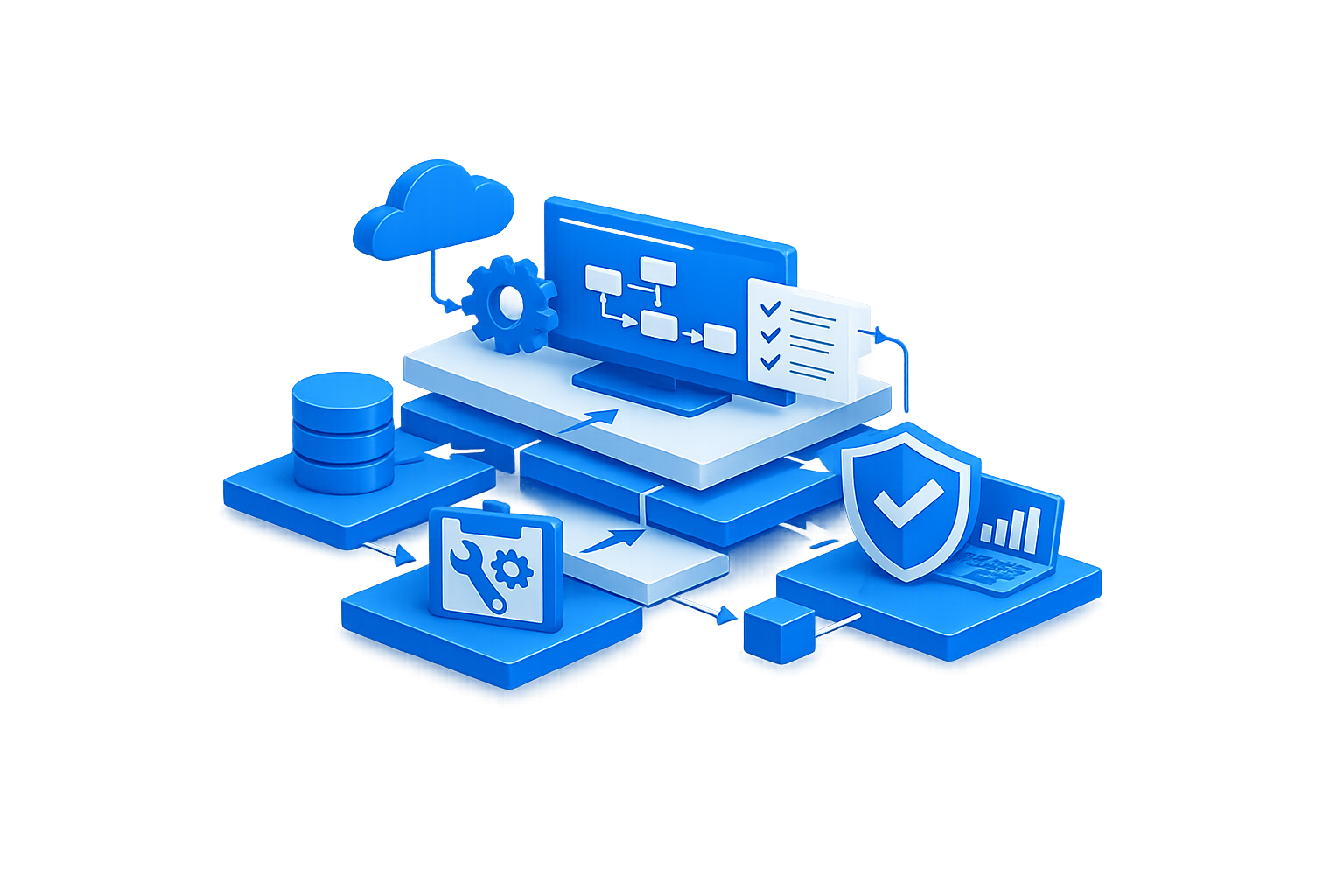


In the ever-evolving landscape of software development and IT operations, the role of DevOps has become indispensable. DevOps, short for Development and Operations, is a set of practices that emphasize collaboration and communication between software developers and IT professionals. It aims to automate and streamline the deployment and management of applications, making the development process faster and more reliable. Python, a versatile and powerful programming language, has emerged as a go-to tool for DevOps practitioners. In this blog post, we'll explore how Python is transforming DevOps by enabling automation in deployment and operations.
The Power of Python in DevOps
Python's popularity in the DevOps world is no accident. Its simplicity, readability, and extensive libraries make it an ideal choice for automating a wide range of tasks in the deployment and operations pipeline. Here's how Python is making a significant impact in DevOps:
1. Infrastructure as Code (IaC)
Python plays a pivotal role in implementing Infrastructure as Code. With tools like Terraform and AWS Cloud Development Kit (CDK) built on Python, DevOps teams can define and provision infrastructure resources using code. This approach allows for version control, reproducibility, and automation of infrastructure deployment.
2. Automation Scripts
Python's scripting capabilities simplify the automation of repetitive tasks in deployment and operations. From configuring servers to managing containerized applications, Python scripts can handle a wide range of responsibilities, reducing manual intervention and human errors.
3. Continuous Integration and Continuous Deployment (CI/CD)
Python integrates seamlessly with CI/CD pipelines. Tools like Jenkins, Travis CI, and CircleCI support Python-based scripts for building, testing, and deploying applications automatically. This accelerates the software development lifecycle and ensures that code changes are deployed reliably.
4. Configuration Management
Tools like Ansible, Chef, and Puppet, which are widely used for configuration management, offer Python as a scripting language. DevOps engineers can leverage Python to define and manage configurations, making it easier to maintain and scale infrastructure.
5. Monitoring and Alerting
Python libraries like Prometheus and Grafana facilitate real-time monitoring and alerting. DevOps teams can write custom scripts in Python to collect and visualize metrics, ensuring that applications run smoothly and addressing issues proactively.
6. Containerization and Orchestration
Python is frequently used in conjunction with containerization technologies like Docker and container orchestration platforms like Kubernetes. Python-based scripts help manage container lifecycles, automate deployments, and scale applications efficiently.
Benefits of Python in DevOps
The adoption of Python in DevOps brings several benefits to organizations:
- Simplicity: Python's easy-to-read syntax simplifies script development and maintenance.
- Versatility: Python can be used for a wide range of tasks, reducing the need for multiple programming languages in DevOps workflows.
- Community and Ecosystem: Python's vast community and extensive library ecosystem provide a wealth of resources and solutions for DevOps challenges.
- Cross-Platform Compatibility: Python runs on various platforms, ensuring consistency across diverse environments.
- Rapid Prototyping: Python's agility allows DevOps teams to quickly prototype and test automation solutions.
Conclusion
Python's integration into the DevOps landscape has revolutionized how organizations approach deployment and operations. Its versatility and ease of use make it an invaluable tool for automating tasks, managing infrastructure, and ensuring the reliability and scalability of applications. As the DevOps field continues to evolve, Python's role in streamlining workflows and accelerating development cycles is poised to become even more significant. Whether you're a seasoned DevOps engineer or just starting, mastering Python can be a game-changer in your pursuit of automating deployment and operations.